
When we talk about modern monarchies, many think of symbolic crowns and ceremonial roles. But in Eswatini, a small kingdom in Southern Africa, royalty still reigns in the truest sense of the word. At the center of it all is King Mswati III, Africa’s last absolute monarch.
Born Makhosetive Dlamini on April 19, 1968, Mswati III is the son of the late King Sobhuza II and Ntfombi Tfwala, who later became Queen Mother. He became king at just 18 years old, officially crowned on April 25, 1986. At the time, he was the youngest reigning monarch in the world.
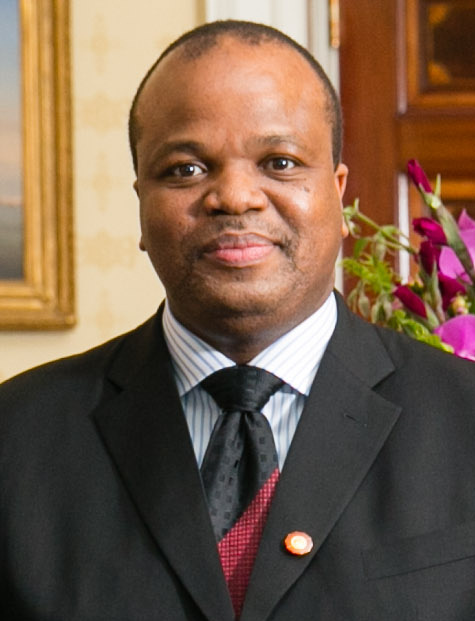
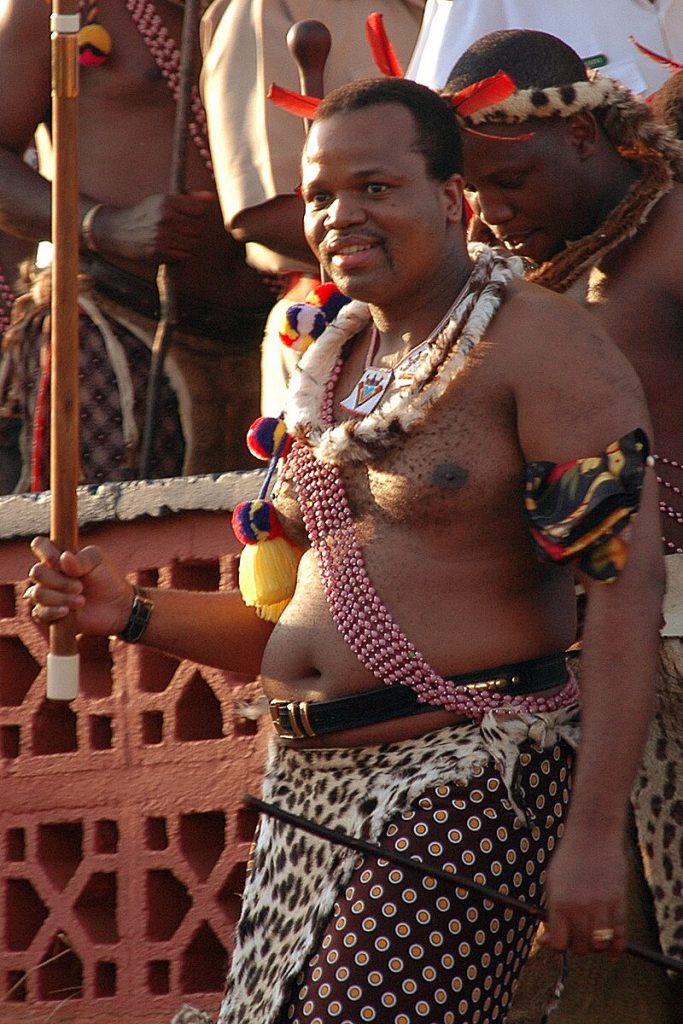
Today, King Mswati III rules alongside his mother in a dual monarchy system that blends traditional governance with modern political structures, although the modern aspects remain tightly controlled.
Unlike most monarchies that have transitioned to symbolic roles, King Mswati III retains full authority over the government. He can veto legislation, dissolve parliament, and appoint top government officials. He’s also the commander-in-chief of the military and police, and his influence extends all the way down to local chiefs across the country.
In short, Eswatini is not just a kingdom by name; it’s a monarchy in practice, and King Mswati III sits firmly at the top.
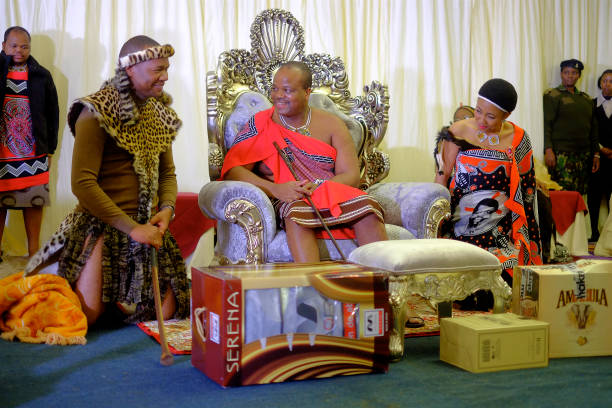
Since 1973, political parties have been banned in Eswatini, and even though a new constitution came into effect in 2005, that restriction still stands. Over the years, especially since 2021, the country has seen waves of pro-democracy protests, many of which have been met with force and arrests. Activists and civic groups continue to push for reform, but operating in such an environment remains risky.
Meanwhile, media freedom is heavily restricted. Most outlets are owned or influenced by the royal family, including the only private TV channel.
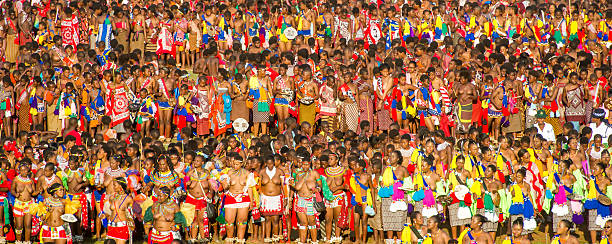
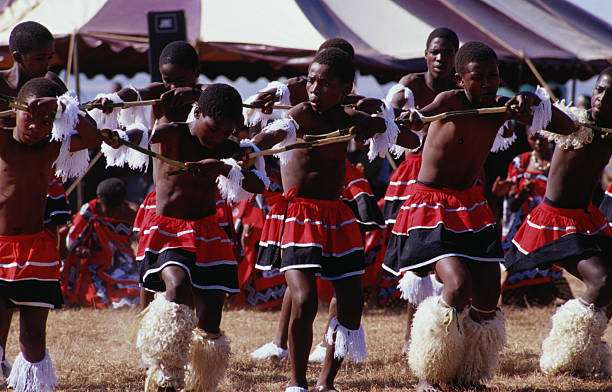
In 2018, during celebrations marking 50 years of independence, King Mswati III made a bold declaration: Swaziland would now be called Eswatini, which means “land of the Swazis” in the local language. The change, he said, was meant to reclaim national identity and eliminate confusion with Switzerland.
King Mswati III’s reign is unique in the 21st century. While monarchies in places like the UK, Japan, and even Morocco have transitioned into more symbolic roles, Eswatini continues to be ruled under absolute authority. Whether viewed as a guardian of tradition or a figure resisting democratic reform, the king remains Africa’s Last Absolute Monarch.
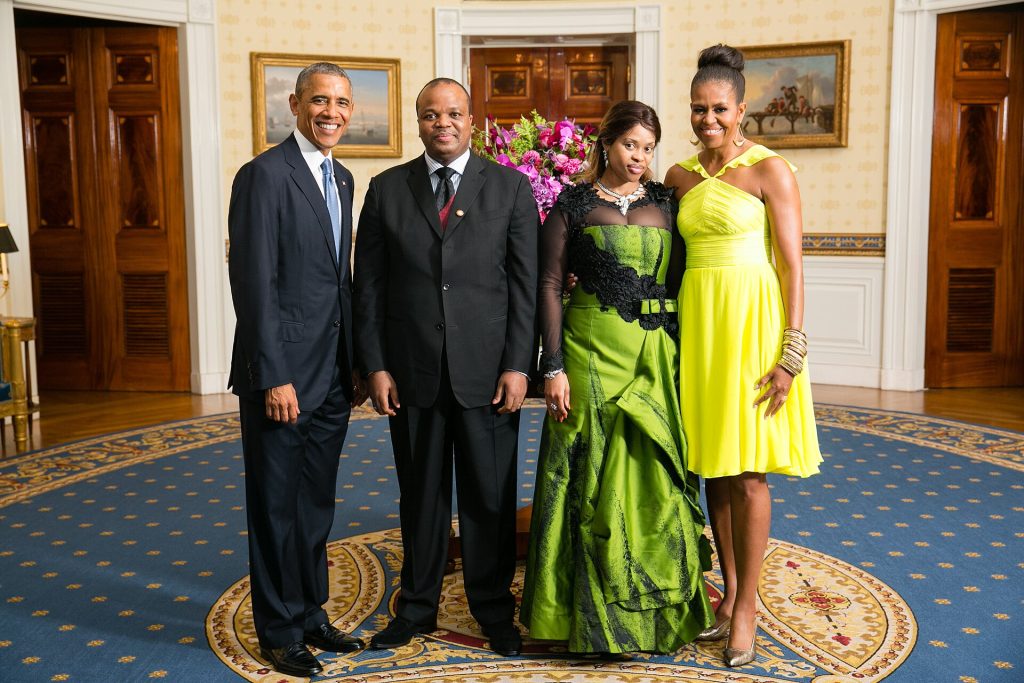
Photo credit: Amanda Lucidon
King Mswati III is admired by some for preserving Swazi culture and tradition; others, however, criticize him for resisting democratic reform. As the world watches Eswatini navigate modern challenges under ancient rule, one thing is clear: King Mswati III’s story is far from over.
Long live King Mswati III, long live the Kingdom Eswatini.


Share our link, earn real money—signup for our affiliate program! https://shorturl.fm/lyh4C
Tap into unlimited earning potential—become our affiliate partner! https://shorturl.fm/cyLKD
https://shorturl.fm/zFUOU
Aweѕome post ! Cheers for, writing on this blog page mate.
I shall message you again! I didnt know that!
Here iѕ my web sіte; Multilingual cultural resource
https://shorturl.fm/C1311
https://shorturl.fm/QyDmP
https://shorturl.fm/46Z2G
https://shorturl.fm/uDvex
Hello, I just finished reading this and had to leave a comment.
This clarified a lot of things for me. Thanks a ton!
my website webpage (bb868.top)
https://shorturl.fm/dEhpP
وی ماسل رولز، ترکیبی از پروتئین وی ایزوله و کنسانتره است که در هر وعده
۳۴ گرمی، ۲۵ گرم پروتئین خالص.
https://shorturl.fm/THFls
https://shorturl.fm/0qcnQ
وی ایزوله ویسلی، پودری با 6 گرم BCAA و 14 گرم EAA در هر سروینگ است که با روش میکروفیلتراسیون جریان متقاطع تولید میشود.
پروتئین وی ایزوله، دارای پروتئین بالا و چربی و کربوهیدرات پایینتری نسبت به سایر انواع پروتئین است.
مکمل کراتین مونوهیدرات، یک ترکیب طبیعیه که از سه اسید آمینه گلیسین، آرژنین و متیونین ساخته میشه و به طور عمده در عضلات اسکلتی ذخیره میشه.
https://shorturl.fm/cBwbv